
A 3-year-old does not need to know how to keep score to benefit from sport. They need room to move, a caring adult nearby, and activities that make trying feel exciting instead of intimidating. That is where preschool sports development begins: not with perfect technique, but with the small, meaningful moments that help a child say, “I can do this.”
For young children, a ball rolling across the floor, a club making contact with a soft target, or a turn-taking game with a parent can become much more than play. These experiences help build the physical control, confidence, listening skills, and emotional security children will carry into school, friendships, and future activities.
What Preschool Sports Development Really Means
Preschool sports development is the gradual growth of foundational movement and social-emotional skills through age-appropriate physical activity. At ages 2 to 5, children are still learning what their bodies can do. They are practicing how to balance, stop, start, reach, carry, throw, swing, and follow a simple direction.
This stage is not about choosing a sport early or preparing a child for competition. It is about giving them a positive relationship with movement. A child who feels capable while moving is more likely to stay curious, willing to participate, and comfortable trying new things as they grow.
Golf activities can be especially useful at this age because they combine movement with focus and imagination. A child may roll a ball toward a colorful target, carry equipment from one station to another, or take a gentle swing with a child-sized club. Each activity can support coordination while remaining playful and manageable.
The best programs understand that a preschooler’s attention span, energy level, and comfort with new environments can change from one minute to the next. Structure matters, but flexibility matters too. A child may be ready to repeat an activity five times one week and prefer to watch from a parent’s side the next. Both are part of learning.
Why Purposeful Play Works
Purposeful play is play with a developmental reason behind it. To a child, it might look like knocking down foam pins or sending a ball through a tunnel. To an experienced instructor, those activities are carefully chosen opportunities to practice visual tracking, directional control, balance, and persistence.
Children learn best when the activity feels achievable. If a task is too difficult, they can quickly become frustrated or disengaged. If it is too easy, they may lose interest. The sweet spot is an activity that invites effort while allowing regular moments of success.
That success does not have to mean hitting a target every time. Success can be holding the club safely, waiting for a turn, trying a new movement, or returning to an activity after a missed shot. When adults notice these efforts, children begin to associate participation with pride rather than pressure.
Repetition also has value, especially when it is presented in a fresh way. Preschoolers often enjoy doing the same movement again because repetition helps their bodies understand it. A simple rolling game can become a color-matching challenge, an animal-themed adventure, or a parent-child relay. The skill remains familiar while the experience stays engaging.
The Skills Young Children Build Through Sports
A thoughtful preschool activity class supports much more than physical fitness. It gives children a place to practice several areas of development at once.
Coordination and Core Motor Skills
Gross motor skills involve large body movements such as walking, jumping, balancing, and swinging. Fine motor skills involve smaller movements, including gripping a handle, placing a ball on a tee, or picking up markers. Young children need both, and sport-based play gives them natural opportunities to develop them.
A golf-inspired activity, for example, can ask a child to bend down for a ball, stand back up, aim toward a target, and make a controlled movement. That sequence supports body awareness and coordination without requiring a child to understand a technical golf swing.
Balance is equally valuable. Children may practice it by stepping between markers, standing with their feet in a stable position, or pausing before they move. These simple actions help them learn how to control their bodies in space, an ability that supports many everyday tasks.
Confidence and Independence
Confidence grows when children experience a challenge, receive encouragement, and discover that they can keep going. It is not built by expecting immediate results or stepping in to fix every missed attempt.
Parents can help by using specific praise. Instead of saying only, “Good job,” try, “You kept your eyes on the ball,” or, “You tried again even when it was tricky.” This helps a child recognize the action that led to progress.
Independence develops in small moments too. Carrying a lightweight piece of equipment, choosing between two targets, or putting a ball away at the end of an activity gives children a sense of ownership. The goal is not to make them do everything alone. It is to let them contribute in ways that feel safe and realistic.
Listening, Turn-Taking, and Emotional Growth
Group sports activities offer gentle practice in social skills. Children learn to listen for a short instruction, wait while another child has a turn, and share a space with peers. These experiences can be challenging at first, particularly for children who are new to organized classes. That is normal.
The right environment does not expect preschoolers to behave like older children. It uses short instructions, clear routines, and patient redirection. A child who briefly wanders away or needs a parent’s reassurance is not failing. They are learning how to participate.
Sports also create healthy opportunities to experience disappointment. A ball may not go where a child wants it to go. A turn may end before they are ready. With calm adult guidance, those moments can teach resilience: take a breath, reset, and try again.
The Parent’s Role Is More Than Cheerleading
At this age, active parent participation can make a major difference. A familiar adult gives a child emotional security in a new setting, especially during the first few sessions. When parents join the activity, children see that movement is enjoyable, shared, and worth trying.
That does not mean parents need to become coaches. In fact, too much instruction can take the fun out of the experience. A better role is to model curiosity, celebrate effort, and follow the instructor’s lead. If a child is unsure, a parent can demonstrate a movement, offer a hand, or complete the first turn together.
Parent-child activities also create a special kind of connection. A child remembers the feeling of being noticed and encouraged. Five focused minutes of rolling balls toward a target together can be more meaningful than a long activity filled with corrections.
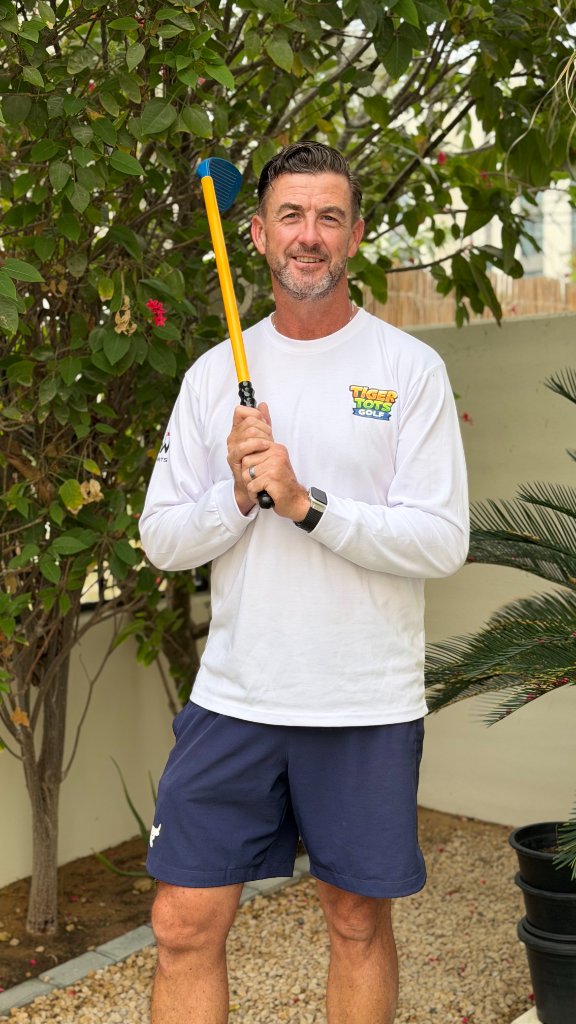
Programs such as TigerTOTS Golf are designed around this shared experience, using age-appropriate golf activities to support development while keeping parents involved in the learning process.
What to Look for in a Preschool Sports Program
Not every youth sports class is designed for early childhood development. When choosing a program, look beyond the sport itself. Consider whether the environment matches your child’s age, personality, and current comfort level.
A strong preschool program has instructors who understand young children, not just the sport being taught. Activities should be short, playful, and adaptable. Equipment should fit smaller hands and bodies, and the setting should feel welcoming rather than overly competitive.
Ask how the program responds when a child is shy, distracted, or hesitant to join. A development-led program makes space for children to warm up gradually. It does not label a child as uncooperative simply because they need time.
Consistency is helpful, but frequency depends on the child and family. Some preschoolers thrive with a regular weekly class. Others benefit from shorter sessions, home practice, or a slower introduction. The best choice is the one that keeps movement positive and sustainable.
Bringing Developmental Play Home
You do not need a large yard or special equipment to extend these skills at home. A rolled-up pair of socks can become a ball, a laundry basket can become a target, and painter’s tape can create a simple path to follow. Keep the activities brief and stop while your child is still enjoying them.
Try inviting your child to roll an object toward a target from different distances. Encourage them to walk heel-to-toe along a taped line, carry a soft ball from one room to another, or take turns making up a “course” with cushions and safe household items. The goal is not to measure performance. It is to create chances for movement, imagination, and shared laughter.
Pay attention to what your child enjoys. Some children love the energy of running and chasing. Others prefer careful aiming, carrying, or balancing. Their preferences can guide you toward activities that build confidence first, then gradually expand their comfort zone.
A preschooler who leaves an activity smiling, proud of one small effort, and eager to come back has gained something far more lasting than an early sports skill. They have learned that their body can move, their effort matters, and a trusted adult will be there to cheer them on.