
A plastic putter that looks too big for tiny hands, a child more interested in the tee than the ball, and a parent wondering if this is too early - that is usually how golf for toddlers begins. And that is exactly why it works best when the goal is not perfect swings, but purposeful play. At this age, children are learning how to move their bodies, follow simple routines, and build confidence through small wins.
For parents, the question is rarely whether a toddler can hit a ball. It is whether the activity is truly right for this stage of development. The short answer is yes, if the experience is built around the child rather than around the sport. When golf is introduced in an age-appropriate way, it can support coordination, listening, balance, turn-taking, and parent-child connection all at once.
Why golf for toddlers works differently
Toddler golf should not look like scaled-down adult golf. A 2-, 3-, or 4-year-old is not ready for technical instruction in the traditional sense, and they do not need it. What they do need is a structured environment where movement feels fun, predictable, and achievable.
That matters because toddlers learn through repetition, sensory exploration, and relationships. They are still developing body awareness, attention span, and emotional regulation. A child who taps a ball forward, carries a club safely, waits for a turn, or follows a simple cue like "ready, set, roll" is practicing far more than golf. They are building foundational skills that support many parts of early childhood development.
This is also where some families feel relief. You do not need a child who already loves sports, and you do not need to be a golfer yourself. In a well-designed parent-child program, the activity meets children where they are. Some will be eager and energetic. Others will need time to watch, warm up, and join in gradually. Both responses are completely normal.
What toddlers are really learning through golf
The biggest benefit of golf for toddlers is not early athletic performance. It is the chance to strengthen core developmental skills in a calm, encouraging setting.
When a child grips a club, reaches for a ball, bends to place a tee, or steps toward a target, they are practicing motor planning and coordination. When they learn to start and stop on cue, they are building listening and self-control. When they try again after a miss, they are developing persistence. Even simple routines like standing in a safe spot or celebrating a friend's turn help shape social awareness.
Golf also offers something many parents are looking for - a balance of movement and focus. Some sports at this age are fast and noisy, which can be wonderful for certain children, but overwhelming for others. Golf-based activities can create a steadier pace. That can help toddlers who benefit from structure, and it can help energetic children practice slowing down without feeling shut down.
There is a trade-off, of course. If a parent wants nonstop action, toddler golf may feel gentler than tumbling or open play. But that slower rhythm is often part of the value. It gives children room to process, respond, and grow in confidence one step at a time.
When is the right age to start?
Most children can be introduced to golf-inspired activities between ages 2 and 5, but readiness is more useful than age alone. A toddler does not need advanced coordination to begin. They simply need enough comfort with movement, short instructions, and parent participation to enjoy the experience.
A 2-year-old may spend more time carrying equipment, rolling balls, and copying actions than actually swinging. That is still meaningful learning. A 4- or 5-year-old may be ready for slightly more structured station work, simple targets, and early swing patterns. Neither stage is better. They are just different.
Parents sometimes worry that starting early means pushing too soon. In a development-led program, early exposure should feel playful, not pressured. If a child is smiling, engaged, and willing to try, that is a strong sign the activity is landing well. If they need breaks, extra support, or a shorter attention window, the program should be flexible enough to support that too.
What a good toddler golf experience should include
The best golf experiences for young children are carefully structured, even when they look playful from the outside. That structure is what helps toddlers feel secure and ready to participate.
Look for sessions that use age-appropriate equipment, simple language, and short activities with frequent transitions. Young children do better when each task has one clear purpose. Hit to the color target. Roll the ball through the gate. Balance, step, swing. These kinds of cues are easier to understand than layered technical directions.
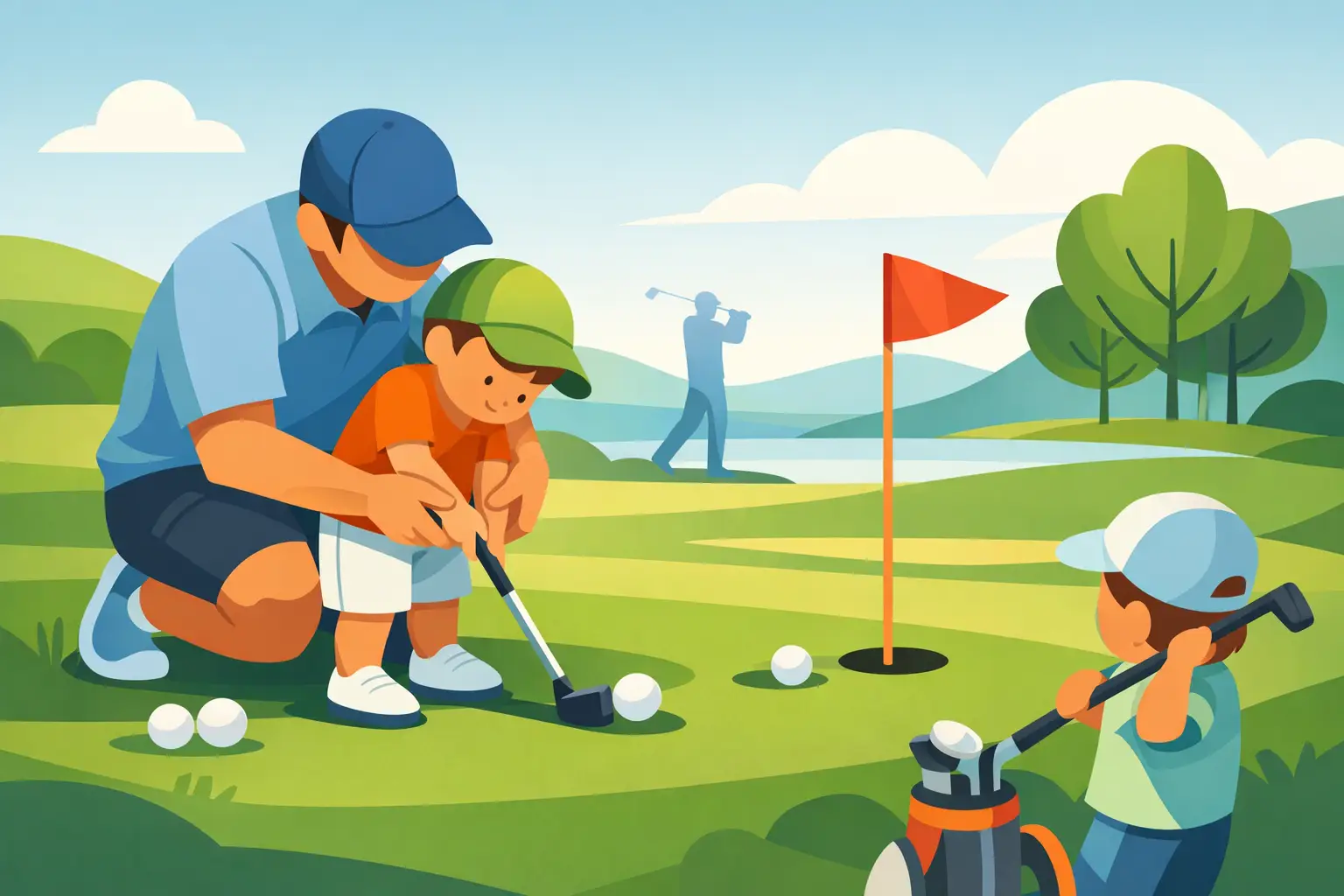
Parent involvement matters too. For toddlers, connection is part of learning. A familiar adult helps the child feel safe enough to try something new, recover from frustration, and celebrate progress. This does not mean the parent must coach every movement. In fact, too much correction can make toddlers hesitant. The parent works best as a calm guide and encouraging partner.
That is one reason parent-child formats are so effective. They make the experience feel shared rather than evaluated. The child is not being tested. They are participating alongside someone they trust.
How to keep golf fun at this age
The fastest way to lose a toddler's interest is to expect adult-style behavior from a young child. Attention spans are short. Energy shifts quickly. One great shot does not mean a child is ready for 20 more repetitions.
Instead of focusing on results, it helps to notice effort and engagement. A child who waits, watches, tries again, or remembers a simple routine is doing real work. That progress deserves just as much encouragement as making contact with the ball.
It also helps to keep expectations flexible. Some days a toddler will be ready to participate fully. On other days, they may cling, wander, or only join one activity. That does not mean the experience is failing. Young children often learn by observing first and participating more over time.
Language matters here. Positive, specific feedback is usually more effective than broad praise or constant instruction. "You kept your eyes on the ball" or "You waited so patiently" gives a child something clear to connect with. It supports confidence without creating pressure.
Common parent questions about golf for toddlers
One of the most common concerns is safety. This is valid, especially when clubs are involved. A quality toddler program should teach safe spacing and simple routines from the start. Children can absolutely learn how to carry, place, and use equipment responsibly when adults model it clearly and consistently.
Another question is whether golf is too technical for preschoolers. Traditional golf instruction often is. Development-based toddler golf is different. The focus is on readiness skills, movement patterns, and playful learning. Technique can come later. Right now, the goal is to help children enjoy moving, exploring, and building confidence.
Parents also ask whether a child needs to show early talent to benefit. Not at all. In fact, children who are hesitant, wiggly, or new to structured activities often gain the most from a supportive introduction. The value is in the process, not in signs of giftedness.
Bringing the experience home
Golf for toddlers does not need a full course or a big backyard to be meaningful. Some of the best practice happens in small, familiar spaces with simple games. Rolling a soft ball to a target, tapping a ball between cones, or balancing before a swing can reinforce class skills without turning home into another lesson.
The key is to keep it light. At-home play should feel like an extension of shared time, not homework. A few focused minutes usually go further than a long session. Stopping while your child is still happy and engaged often works better than squeezing in one more round.
For many families, that is where the real magic of early golf starts to show. A child remembers a cue from class. A parent sees more balance, better listening, or growing confidence. The sport becomes part of a bigger developmental picture.
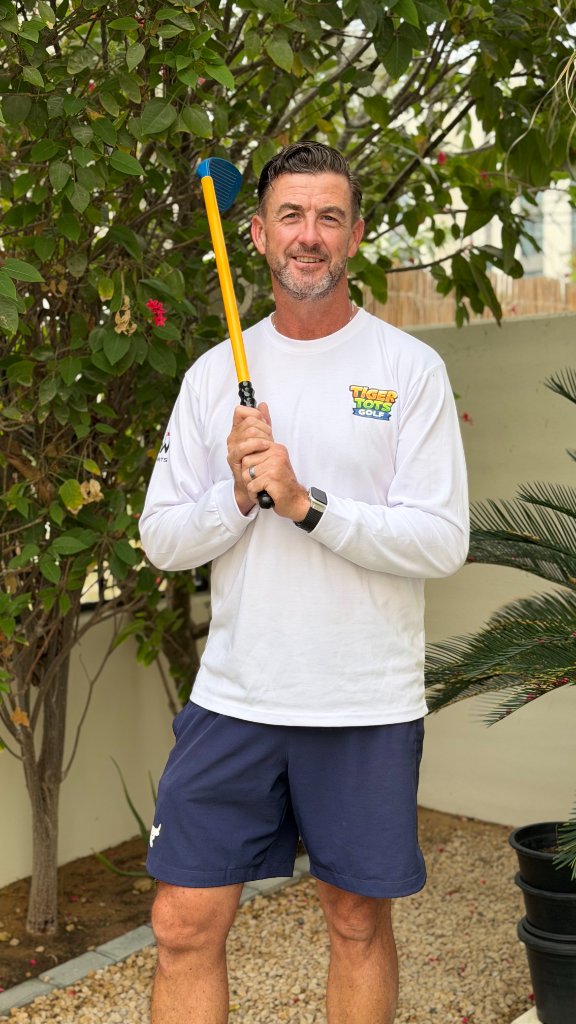
Programs like TigerTOTS Golf are built around that idea - helping children grow through purposeful play while giving parents a meaningful role in the journey.
Starting young is not about creating the next great golfer. It is about giving a child a positive first experience with movement, learning, and trying something new with someone they trust. When that foundation is in place, the game can wait. The growth is already happening.