
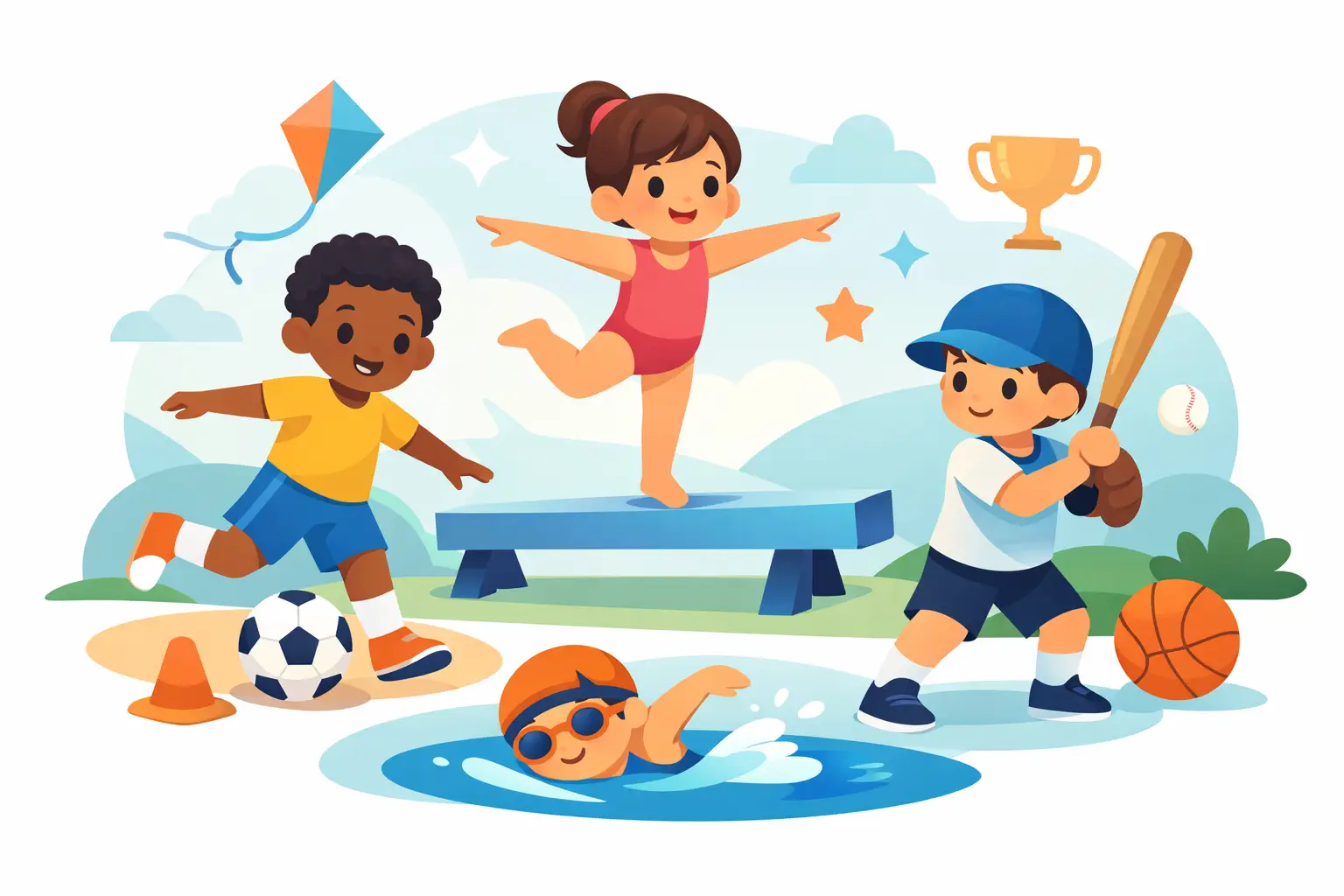
A preschooler standing proudly after rolling a ball toward a target, balancing across a low beam, or trying a new swing has learned something bigger than the activity itself: “I can try.” That feeling is why parents often look for the best sports for preschool confidence. The right program gives children repeated, enjoyable chances to move, make small decisions, recover from mistakes, and hear encouragement from the adults they trust.
For children ages 2 to 5, confidence does not come from winning games or mastering adult-level skills. It grows when a child feels safe enough to participate, capable enough to see progress, and supported enough to try again. The sport matters, but the way it is taught matters even more.
What Makes a Sport Confidence-Building for Preschoolers?
At this age, children are still learning what their bodies can do. They may be working on balance, hand-eye coordination, listening, taking turns, and managing the big feelings that can appear when something feels difficult. A confidence-building sports experience meets them at that stage rather than asking them to perform beyond it.
Look for activities with simple goals, such as rolling, tossing, kicking, swinging, balancing, or moving through an obstacle course. These skills give children clear opportunities for success. A child does not need to hit a perfect shot or score a goal to feel proud. Simply making contact with a ball, waiting for a turn, or choosing to try a new movement can be a meaningful win.
Predictable routines also help. When children know that class begins with a welcome activity, moves into playful skill stations, and ends with positive recognition, they can relax and participate more freely. For a shy child, that consistency may be more valuable than a loud, high-energy environment.
The best programs use encouraging language without overpraising every outcome. “You kept trying even when it rolled away” helps a child connect confidence with effort. “You noticed where the ball went and adjusted your hands” builds awareness and resilience. These are the foundations that carry into school, friendships, and new experiences.
Best Sports for Preschool Confidence: 5 Strong Choices
There is no single best sport for every child. A child who loves water may thrive in swimming, while a child who is cautious in a group may feel more comfortable with an activity that allows more individual space. Still, a few sports are especially well suited to building early confidence when they are taught through play.
1. Golf and target-based play
Preschool golf is less about technique and more about purposeful movement. Children can roll balls to targets, carry equipment, practice gentle swings, follow a path, and celebrate small improvements. These activities support hand-eye coordination, body control, focus, and patience in a calm, low-pressure setting.
Golf can be particularly helpful for children who do not enjoy constant noise or physical contact. Each child has room to explore at their own pace, while still practicing social skills such as waiting, sharing, and encouraging others. When parents participate alongside their child, the experience can feel even safer and more rewarding.
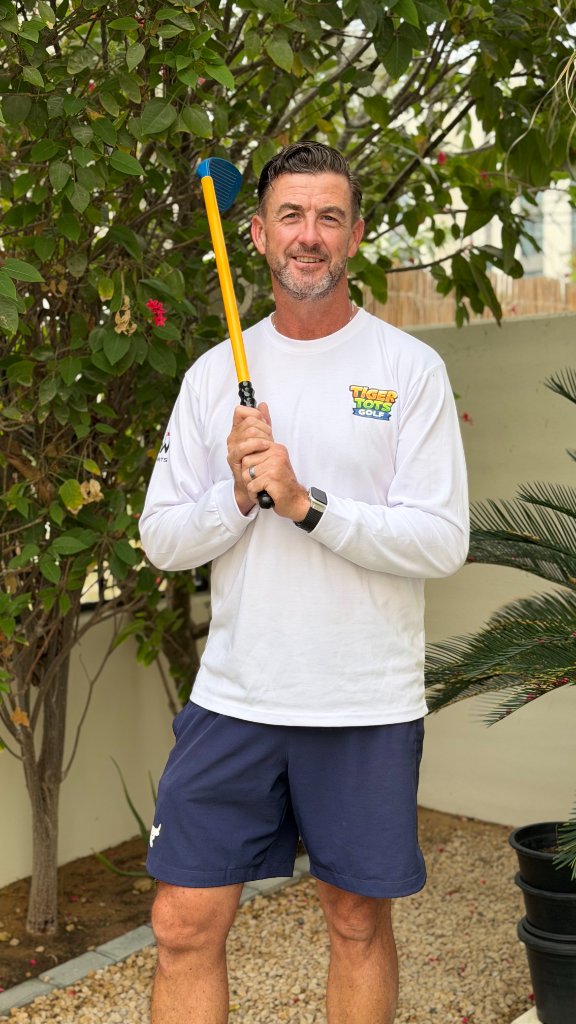
TigerTOTS Golf uses age-appropriate golf activities and purposeful play to help young children build confidence, coordination, and core motor skills with a parent by their side. For many preschoolers, having that familiar adult involved makes it easier to take the first brave step.
2. Swimming
Swimming gives children a powerful sense of independence. Learning to blow bubbles, put their face in the water, float with support, or travel a short distance can feel like a major accomplishment. These small milestones often build confidence quickly because children can see and feel their own progress.
However, water can also be intimidating. A child who is nervous should never be pushed to submerge, jump in, or separate from a trusted adult before they are ready. A gentle instructor, a warm pool, and a gradual approach make a significant difference. The goal is comfort and water familiarity first, not speed through levels.
3. Gymnastics and movement classes
Preschool gymnastics introduces children to balance, climbing, jumping, rolling, and safe landings. It is an excellent option for building body awareness because children learn how to move in many directions and respond to physical challenges with care.
The strongest preschool classes keep equipment low, activities short, and instructions clear. Children should be able to explore without being compared to older or more advanced participants. A simple success, such as walking across a low beam or completing a small obstacle course, can help a child think, “My body can do hard things.”
4. Soccer and simple ball games
Soccer is familiar, active, and easy to adapt for young children. Dribbling, stopping a ball, kicking toward a large goal, and playing follow-the-leader with a ball can strengthen coordination and confidence. It can also help energetic preschoolers practice listening and moving with a group.
The trade-off is that large teams and busy games can overwhelm some children. At preschool age, drills should feel like games, and every child should have frequent contact with a ball. Long lines, complicated rules, and a strong focus on scoring can leave young players disengaged. Smaller groups tend to create more opportunities for success.
5. Martial arts with a preschool focus
A well-run preschool martial arts class can support confidence through routines, respectful listening, and controlled movement. Children may practice stances, gentle kicks, balance poses, and simple sequences. The structure can be especially reassuring for children who respond well to clear expectations.
Parents should look closely at the instructor’s approach. Preschool martial arts should emphasize self-control, safety, and personal growth, not aggressive behavior or pressure to earn belts quickly. A class that celebrates focus, kindness, and effort can help children feel capable without turning the experience into a competition.
How to Choose the Right Sport for Your Child
Start by noticing your child’s natural interests. Do they love tossing and aiming? A target-based activity may hold their attention. Do they seek out climbing, jumping, and tumbling? A movement class could be a strong fit. Are they drawn to water, music, or group play? Their everyday preferences offer useful clues.
Then consider temperament. A confident, highly social child may enjoy a lively soccer group. A child who takes time to warm up might do better in a smaller, parent-supported class with familiar routines. Neither preference is better. The best setting is the one where your child can participate without feeling constantly rushed, corrected, or overlooked.
A trial class is often the most useful way to decide. Watch whether the instructor speaks to children with warmth and clarity. Notice if the activities are developmentally appropriate and whether children spend more time moving than waiting. Most of all, observe your child afterward. They do not need to say they were perfect or fearless. A child who says, “Can I do that again?” has given you an important answer.
Confidence Grows When Parents Stay Involved
For preschoolers, a parent’s role extends beyond transportation and cheering from the sidelines. Young children borrow confidence from the adults around them. A calm smile, a patient reminder, or a shared high-five can help them return to an activity that felt difficult a moment earlier.
Try to describe what you see instead of evaluating the result. Rather than saying, “You’re the best,” try, “You aimed carefully,” or “You were nervous, and you joined in anyway.” This language teaches children that confidence is not about being better than someone else. It is about trusting themselves enough to learn.
At home, keep the practice light. Roll a soft ball toward a laundry basket, create a pillow balance path, kick a ball between two shoes, or let your child show you a movement they learned in class. Five joyful minutes is more valuable than a long practice session that ends in frustration. Preschoolers need play to stay connected to the activity.
Signs a Program May Not Be the Right Fit Yet
A child may need a different class, a smaller group, or simply more time. Frequent tears that do not ease with support, fear that increases week after week, or an instructor who uses shame, pressure, or constant comparison are signs to pause and reassess.
It is also normal for children to have an off day. They may watch from the edge, cling to a parent, or participate for only part of a class. Confidence is not a straight line. A supportive program makes room for those moments while gently inviting children back into play.
The right sport gives your child a place to be curious, wobbly, proud, and persistent. Choose an environment where every small attempt is welcomed, and let those little moments of courage become part of how your child sees themselves.