Some toddlers love to run the second they see open space. Others hang back, study the room, and join in once they feel safe. That is why the best first sport for toddlers is rarely the one that looks the most impressive to adults. It is the one that meets a young child where they are developmentally and helps them build confidence, coordination, and joy in movement.
For parents, that can make the decision feel bigger than it seems. You are not just picking a weekly activity. You are choosing your child’s first experience with structure, instruction, physical challenge, and often group participation. The right start can help a child feel capable. The wrong fit can leave them overwhelmed, frustrated, or simply uninterested.
What makes the best first sport for toddlers?
At ages 2 to 5, the goal is not early specialization. It is not trophies, rankings, or technical perfection. The best first sport for toddlers should support whole-child development through age-appropriate play.
That means a strong toddler sport usually includes simple instructions, repeated movement patterns, and plenty of chances to succeed. Young children are still learning how to balance, stop, start, take turns, follow directions, and manage big feelings. A sport that expects too much too soon can work against those goals.
Parents often ask whether they should choose a sport that burns energy, builds discipline, or develops coordination. The honest answer is all three matter, but the order matters too. First, a child needs to feel comfortable and engaged. Then they can begin building skills. Without that sense of safety and enjoyment, even the most well-designed activity may not stick.
Why the first sport matters more than many parents think
A toddler’s first sports experience shapes more than physical ability. It also influences how they think about trying new things. If a class feels supportive and achievable, children start to connect effort with progress. They begin to trust their own bodies. They learn that practicing can be fun.
That is especially valuable in the toddler years, when confidence is still forming. A child who hears frequent encouragement, experiences manageable challenges, and shares movement with a trusted parent often develops a stronger foundation than a child pushed into a faster-paced environment before they are ready.
This is one reason parent-child participation can be so powerful. For many toddlers, a familiar adult acts as a bridge between uncertainty and independence. Instead of being dropped into an unfamiliar activity, they explore alongside someone they trust. That can reduce anxiety and increase willingness to try.
The qualities to look for in a toddler sport
When parents search for the right first sport, it helps to look beyond the sport itself and focus on the structure around it.
A good toddler program should be built around short attention spans. It should use movement, games, and playful repetition rather than long explanations. It should also recognize that a 2-year-old and a 5-year-old are not in the same developmental stage, even if they both technically fit the word toddler in casual conversation.
It also helps if the activity develops multiple foundational skills at once. Balance, hand-eye coordination, body awareness, listening, and emotional regulation all matter in early childhood. The strongest programs are not just teaching a sport. They are using the sport as a vehicle for broader development.
Another factor is pacing. Fast, noisy, highly stimulating activities can be fun for some children, but too much pace can make it hard for toddlers to process instructions and feel successful. Slower, more intentional formats often give young children more room to learn.
Is golf the best first sport for toddlers?
For many families, yes. Golf is often overlooked because adults tend to think of it as technical, quiet, or better suited for older children. But when it is taught the right way, golf can be one of the best first sports for toddlers because it naturally supports early childhood development.
Toddler golf does not need to look like adult golf. In fact, it should not. The best early golf experiences use purposeful play, oversized targets, simple tools, and movement-based games that match a child’s age and ability. Instead of focusing on swing mechanics, children work on skills like aiming, turning, reaching, balancing, gripping, and coordinating both sides of the body.
That makes golf especially valuable as a first sport. It offers structure without the pressure of constant physical contact or chaotic game play. It encourages focus, but it also leaves room for movement and creativity. A child can experience success through small wins, whether that is making contact with the ball, following a simple sequence, or waiting for a turn.
For families who want development first and sport second, that is a meaningful advantage.
How golf supports toddler development
Golf stands out because it combines physical, emotional, and cognitive growth in a way that feels playful rather than demanding.
On the physical side, children practice hand-eye coordination, balance, posture, and controlled movement. They learn how their body works in space. They shift weight, rotate, bend, and recover. These are foundational abilities that transfer to many other sports later on.
On the emotional side, golf gives toddlers frequent chances to try again. A missed shot is not the end of a game. It is simply another turn. That helps children develop patience and resilience in small, manageable moments. Because progress often comes step by step, they also learn that improvement does not have to be immediate to be meaningful.
On the cognitive side, golf introduces sequencing, attention, and problem-solving. A child may learn to pick a target, prepare, swing, and watch the result. Even at a very basic level, that sequence builds listening and follow-through.
When parents participate too, the benefits can deepen. Shared activities help children feel secure, and they give parents a front-row seat to their child’s growth. In a well-designed parent-child program, the adult is not there to pressure performance. They are there to encourage, model, and celebrate progress.
When another sport may be a better fit
Golf is a strong choice, but the best answer still depends on the child.
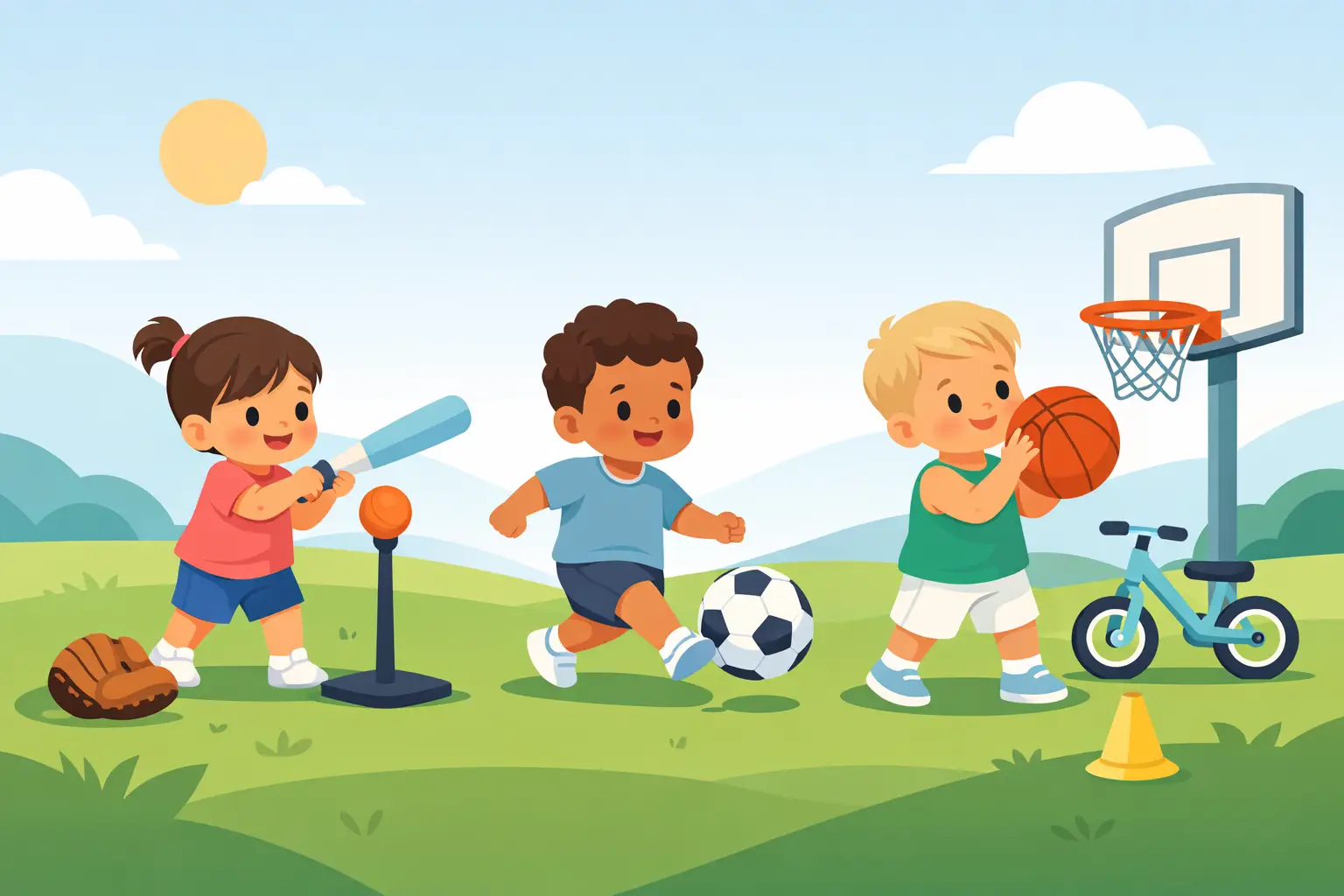
If your toddler craves nonstop running, a movement-heavy class like soccer may feel more natural at first. If they love water and already feel comfortable in a pool, swim lessons can be a very practical early activity. If they are drawn to music and rhythm, a movement or gymnastics-based program may hold their attention more easily.
The key is to separate your child’s needs from adult assumptions. Some parents choose a sport because they loved it growing up. Others choose what seems popular among friends. Neither is automatically wrong, but popularity does not equal fit.
A shy child may need a gentler entry point. A highly energetic child may need more movement variety. A child who struggles with transitions may do better in a consistent, predictable format with parent involvement. There is no one-size-fits-all answer, only a better match or a poorer one.
How to choose with confidence
If you are deciding between options, watch for a few simple signs. Does the program feel age-appropriate, not just marketed that way? Are instructors focused on development and encouragement, not only skill correction? Is there room for fun, repetition, and gradual progress?
It is also worth asking yourself how your child usually responds to new environments. Do they warm up slowly? Do they need you nearby? Do they thrive with routine? Those details matter more than many parents realize.
A trial class can be helpful, but judge it gently. Toddlers do not always show their true comfort level in the first session. Sometimes a child who seems hesitant at first becomes deeply engaged once the environment feels familiar. What you want to see is not instant perfection. You want to see whether the program gives your child a fair chance to grow.
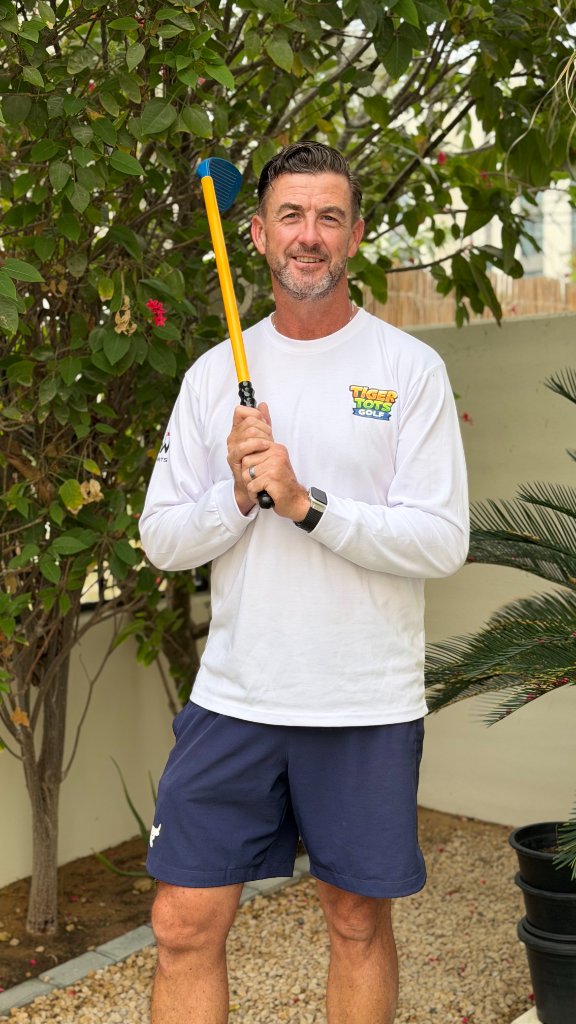
That is part of what makes a structured, development-led program so valuable. When early sports are built around purposeful play rather than pressure, children can enjoy the process while building real skills. At TigerTOTS Golf, that philosophy shapes the entire experience, helping families see sports as a place for connection and growth, not just performance.
Choosing your toddler’s first sport does not require predicting their future. It simply means giving them a positive place to begin. If the activity helps your child move with confidence, try with courage, and share the experience with joy, you are already on the right path.